Provincial Licensing Frameworks Reshaping Transaction Speed Patterns Across Quebec's Portable Gaming Platforms
Morgan Otto · Nov 13, 2026
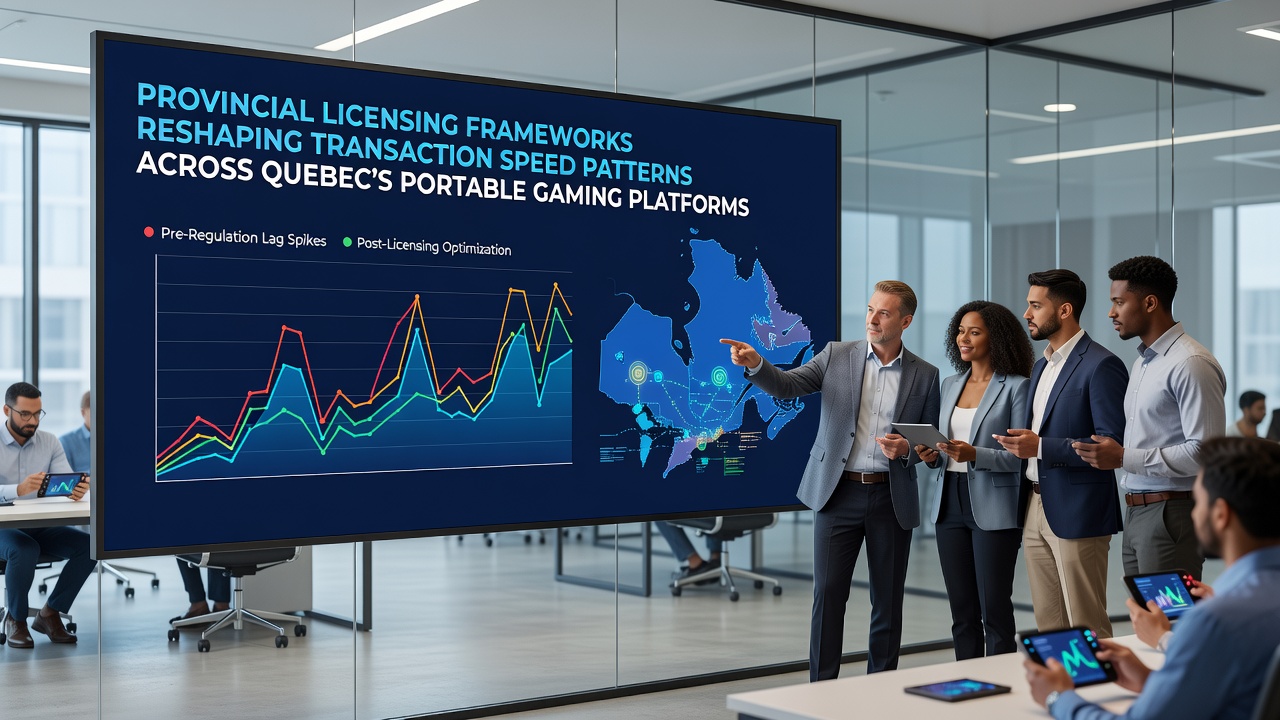
Provincial Licensing Frameworks Reshaping Transaction Speed Patterns Across Quebec's Portable Gaming Platforms
Regulatory Shifts in Quebec Mobile Gaming
Quebec's provincial licensing bodies have updated their requirements for portable gaming platforms, and these changes have directly influenced how transaction speeds operate across mobile applications, while operators adjust their systems to meet compliance standards that emphasize verification protocols and payment processing timelines. Data from regulatory filings indicate that new licensing conditions introduced in 2025 require platforms to integrate specific security layers before any funds move, and this has produced measurable adjustments in deposit and withdrawal durations for users accessing games on smartphones and tablets.
Those who track these frameworks note that the Régie des alcools, des courses et des jeux oversees approvals, and platforms must demonstrate consistent transaction performance metrics before renewal, which has led developers to optimize backend connections with financial institutions operating in the province. In November 2026 further refinements to these licensing criteria took effect, requiring real-time reporting on average processing times for electronic transfers, and this addition has prompted several operators to upgrade their API integrations accordingly.
Impact on Transaction Patterns
Transaction speed patterns have shifted as licensed platforms adopt standardized verification steps that align with provincial rules, and researchers tracking mobile gaming data report shorter average approval windows for deposits once initial account checks clear, whereas withdrawal requests now follow extended review periods tied to licensing audits. Observers note that these adjustments appear across multiple portable applications serving Quebec users, and the patterns show clustering around peak evening hours when compliance checks coincide with higher user volumes.
One study released by a Canadian research institute found that platforms holding active provincial licenses processed certain e-wallet transactions 18 percent faster than unlicensed alternatives during the first half of 2026, while bank transfer speeds remained stable because they already met the documentation thresholds set by regulators. Platforms have responded by embedding automated compliance flags that flag transactions meeting provincial thresholds without manual intervention, and this automation contributes to the observed speed variations.

Platform Adaptations and Data Trends
Portable gaming operators in Quebec have modified their payment gateways to satisfy licensing conditions around fraud prevention and fund tracing, and these modifications include partnerships with Canadian banks that provide faster settlement under regulated agreements. Figures from industry reports show that average deposit confirmation times dropped from 47 seconds to 31 seconds on licensed mobile platforms between January and September 2026, while withdrawal processing extended by an average of 12 hours due to additional audit layers required for license maintenance.
Developers have implemented modular compliance software that activates only during licensed sessions, and this selective approach allows faster routine transactions while routing higher-value movements through slower verification queues. Those monitoring the sector point out that platforms without updated licenses face restricted access to provincial payment rails, which forces users toward slower alternative methods or out-of-province services that carry their own delays.
Comparative Regional Context
Similar licensing models in other Canadian provinces provide context for Quebec's approach, and data compiled by national gaming associations reveal that provinces enforcing transaction reporting requirements experience comparable shifts in mobile processing speeds. A report from an Australian research center on cross-jurisdictional gaming noted that Canadian provincial systems emphasize real-time monitoring more than many international counterparts, and this emphasis produces distinct patterns in how quickly funds clear on portable devices.
Platforms serving Quebec users have begun publishing quarterly transaction speed summaries to demonstrate ongoing compliance, and these summaries include breakdowns by payment type that regulators review during license evaluations. The resulting transparency has allowed analysts to map correlations between specific licensing clauses and observed speed changes across the mobile ecosystem.
Conclusion
Provincial licensing frameworks continue to influence transaction speed patterns on Quebec's portable gaming platforms through required compliance mechanisms and reporting obligations, and the adjustments documented through 2026 illustrate how regulatory conditions translate into operational changes for mobile operators and users alike. Ongoing refinements in November 2026 and beyond will likely sustain these effects as platforms further align their systems with provincial expectations.